Last Updated: August 22 2026
Can a landlord in Ontario stop a tenant from installing Christmas lights or other seasonal decorations?
In Ontario, a landlord generally can’t unreasonably interfere with a tenant’s reasonable enjoyment of the rental unit, so restrictions on Christmas lights and other seasonal decorations are only justified when the display creates safety hazards or causes undue damage, such as through wilful or negligent conduct that risks liability or substantially interferes with other lawful rights (see Residential Tenancies Act, 2006, S.O. 2006, c. 17, ss. 34, 62, 64, and 22). If your landlord is trying to block decorations, document what’s proposed, ask for specific safety or damage concerns, and get clear written conditions that remove risks without denying your holiday use. For help assessing your rights and next steps, Benchmark Legal Offices supports tenants with paralegals and lawyers’ office guidance across Ontario, call (289) 389-8840.
Add this website to Google Preferred Sources
Understanding the Limited Reasons to Restrict Installation of Seasonal Decorations Including Safety or Damage Concerns
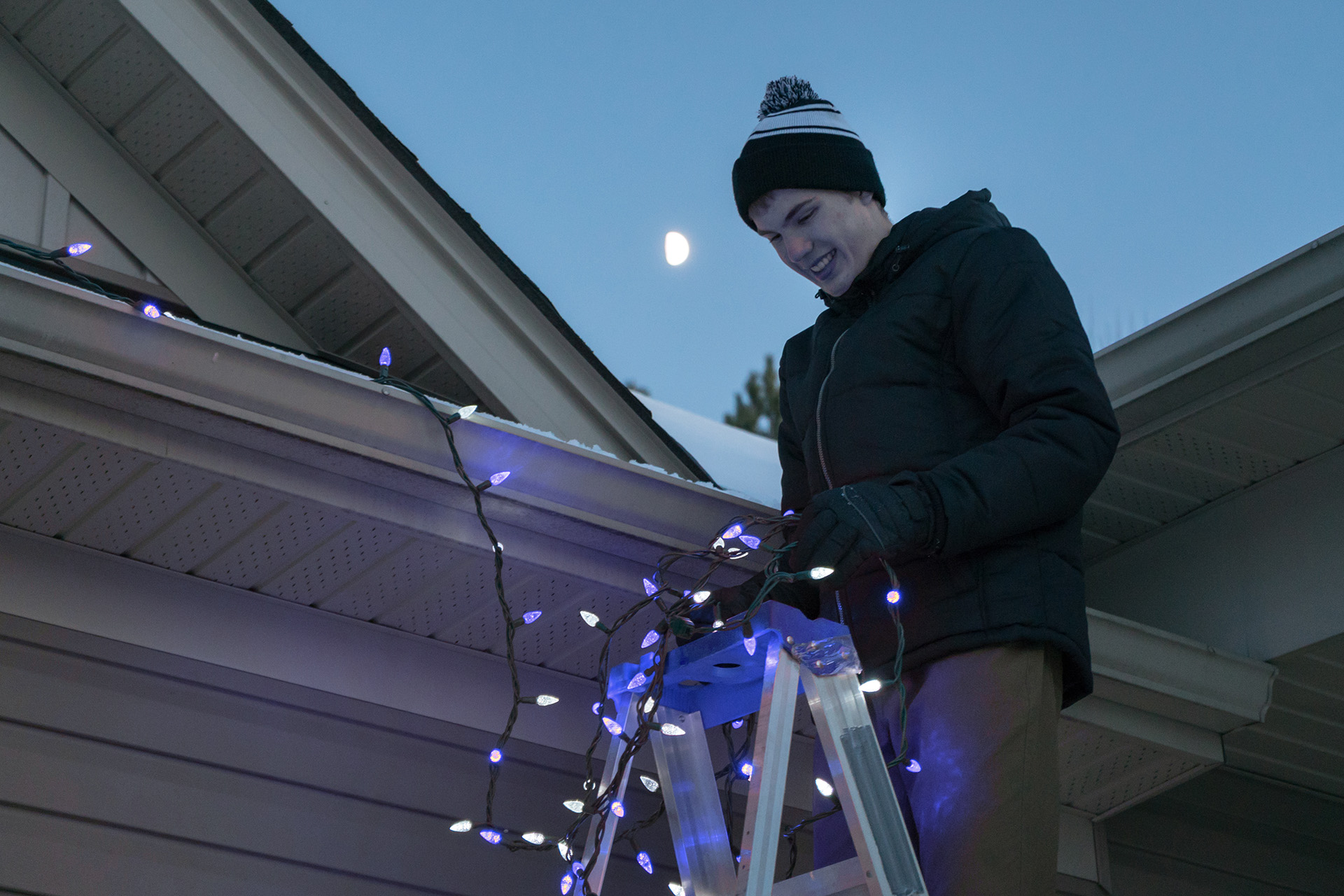 Generally, a landlord must permit the installation of religious holiday decorations and displays by a tenant; however, where the decorations or display genuinely poses a safety risk or causes damage to the rental premises, a landlord may forbid the installation or require reasonable measures to reduce the safety risk and avoid property damage.
Note: For immediate help, please contact Benchmark Legal Offices by phone at: (289) 389-8840 to retain services or to discuss any specific questions that you may have.
The Law
The Residential Tenancies Act, 2006, S.O. 2006, Chapter 17, is without explicit directives regarding seasonal holiday decorations such as Christmas lights, among other things; however, the Residential Tenancies Act, 2006, contains various sections that are relevant to the safety concerns and the damage concerns of a landlord while also containing sections relevant to the rights of a tenant to enjoy the rental premises without unreasonable interference by the landlord.
Within the Residential Tenancies Act, 2006, section 34 states that a tenant may be held liable for damage caused to the rental premises and section 62 states that a tenant may be evicted for causing undue damage to the rental premises. Additionally, section 64 states that a tenancy may be terminated where a tenant substantially interferes with a right, a privilege, or an interest, of the landlord, such as engaging in conduct that creates significant risks to the landlord. Specifically, these sections state:
Tenant’s responsibility for repair of damage
34 The tenant is responsible for the repair of undue damage to the rental unit or residential complex caused by the wilful or negligent conduct of the tenant, another occupant of the rental unit or a person permitted in the residential complex by the tenant.
Termination for cause, damage
62 (1) A landlord may give a tenant notice of termination of the tenancy if the tenant, another occupant of the rental unit or a person whom the tenant permits in the residential complex wilfully or negligently causes undue damage to the rental unit or the residential complex.
Termination for cause, reasonable enjoyment
64 (1) A landlord may give a tenant notice of termination of the tenancy if the conduct of the tenant, another occupant of the rental unit or a person permitted in the residential complex by the tenant is such that it substantially interferes with the reasonable enjoyment of the residential complex for all usual purposes by the landlord or another tenant or substantially interferes with another lawful right, privilege or interest of the landlord or another tenant.
Despite the above concerns regarding decorations installed by a tenant, it is also important to bear in mind that section 22 of the Residential Tenancies Act, 2006 forbids a landlord from unreasonably interfering with the reasonable enjoyment of the rental unit by the tenant. In this respect, section 22 specifically states:
Landlord not to interfere with reasonable enjoyment
22 A landlord shall not at any time during a tenant’s occupancy of a rental unit and before the day on which an order evicting the tenant is executed substantially interfere with the reasonable enjoyment of the rental unit or the residential complex in which it is located for all usual purposes by a tenant or members of his or her household.
As detailed per the law shown above, although tenants may be forbidden from creating safety hazards that may cause injuries and correspondingly impose liability risk upon a landlord as well as forbidden from causing undue damage to the rental premises as property of the landlord, the landlord is also forbidden from interfering in the reasonable enjoyment rights of tenants. As such, the law requires that the rights that protect the landlord from unreasonable risks must be balanced with the rights that reasonably permit tenants to install decorations.
Summary Comment
A landlord must permit a tenant to enjoy the rental unit, including allowing installation of holiday decorations such as lighting displays, among other things, so long as the tenant avoids creating safety hazards and refrains from damaging the rental premises.
NOTE: A significant amount of inquiries featuring “lawyers near me” or “best lawyer in” typically signify a pressing demand for proficient legal counsel rather than a particular designation. In Ontario, licensed paralegals are governed by the same Law Society that directs lawyers and have the authority to represent clients in specified litigation issues. Skills in advocacy, legal interpretation, and procedural expertise are fundamental to this function. Benchmark Legal Offices provides legal representation within its licensed parameters, focusing on tactical positioning, evidence preparation, and compelling advocacy designed to secure efficient and advantageous outcomes for clients.